
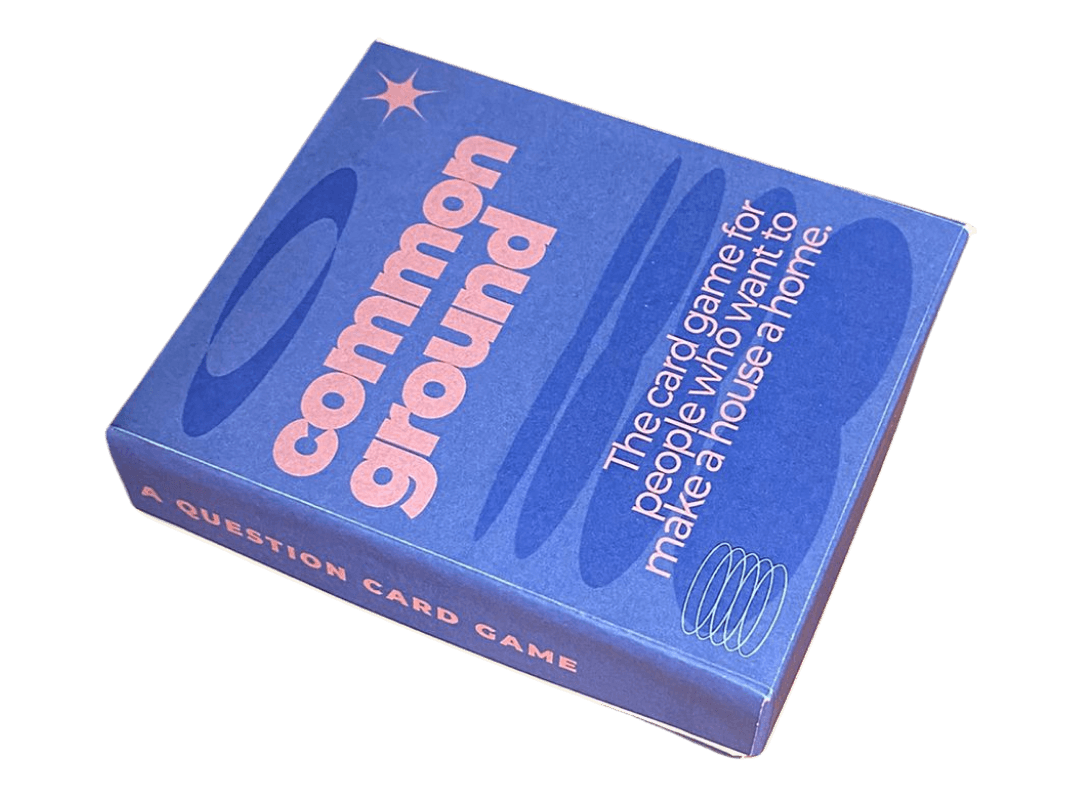
COMMON GROUND
info
year
2025/26
role
Prototyping, Brainstorming, User Testing
tools
Design Thinking, Canva
timeframe
4 Months
about
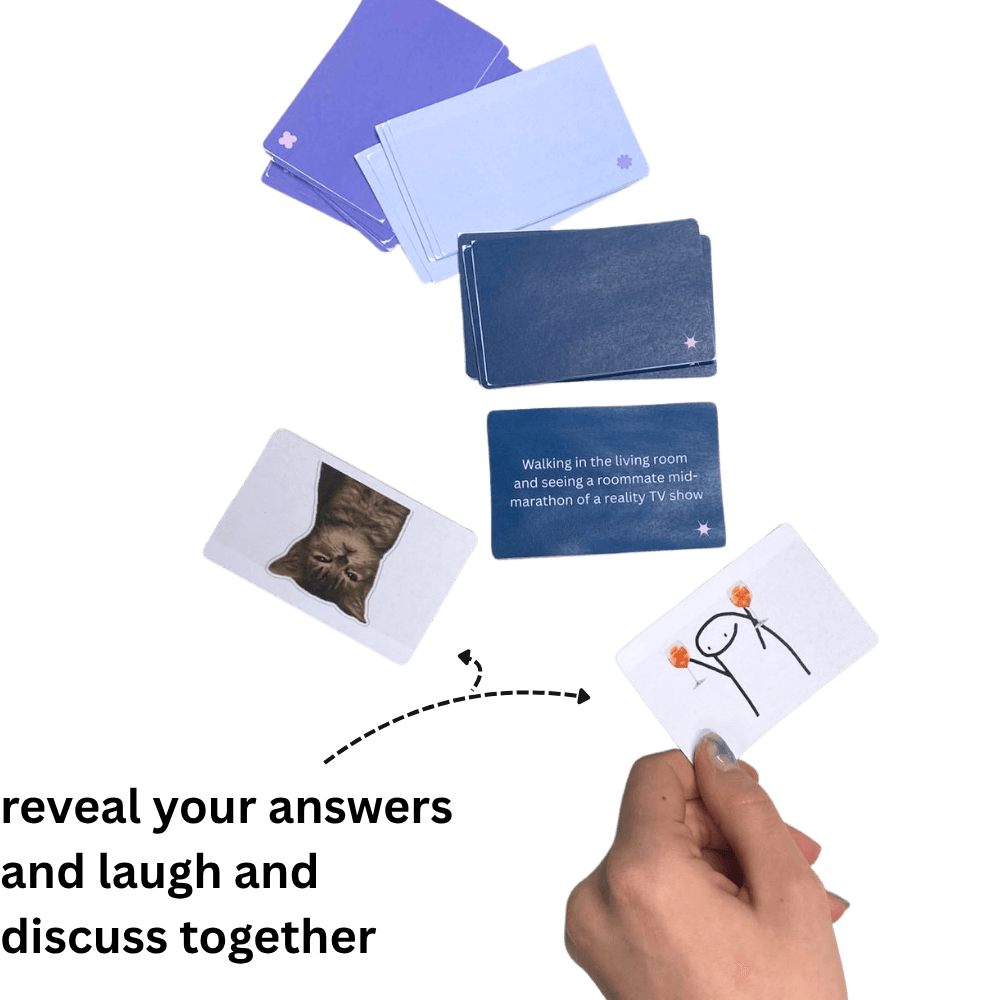
Common Ground is a physical ice-breaker game that uses a three-level card system and memes to help roommates in shared apartments overcome social isolation during their first three months together. This was a Semester group-project in my Masters Studies in Human Computer Interaction for the class Design Thinking at the Salzburg University of Applied Sciences.
What?
For this project we applied a full Design Thinking methodology to solve a real-world social challenge. As a team, we shared responsibilities across research and ideation, while I took a leading role in the development of the final prototype—transforming our insights into a tangible, three-level card game.
Why?
The project was created as an introduction to 3D modeling and animation, with the goal of understanding basic techniques such as asset creation, lighting, and movement
How?
I designed and modeled all assets from scratch, applied textures and lighting to build an atmospheric space scene, and animated the spaceships landing sequence. By experimenting with acceleration and movement curves, I aimed to achieve a more realistic motion. Sound effects were added to enhance immersion and bring the scene to life
design process
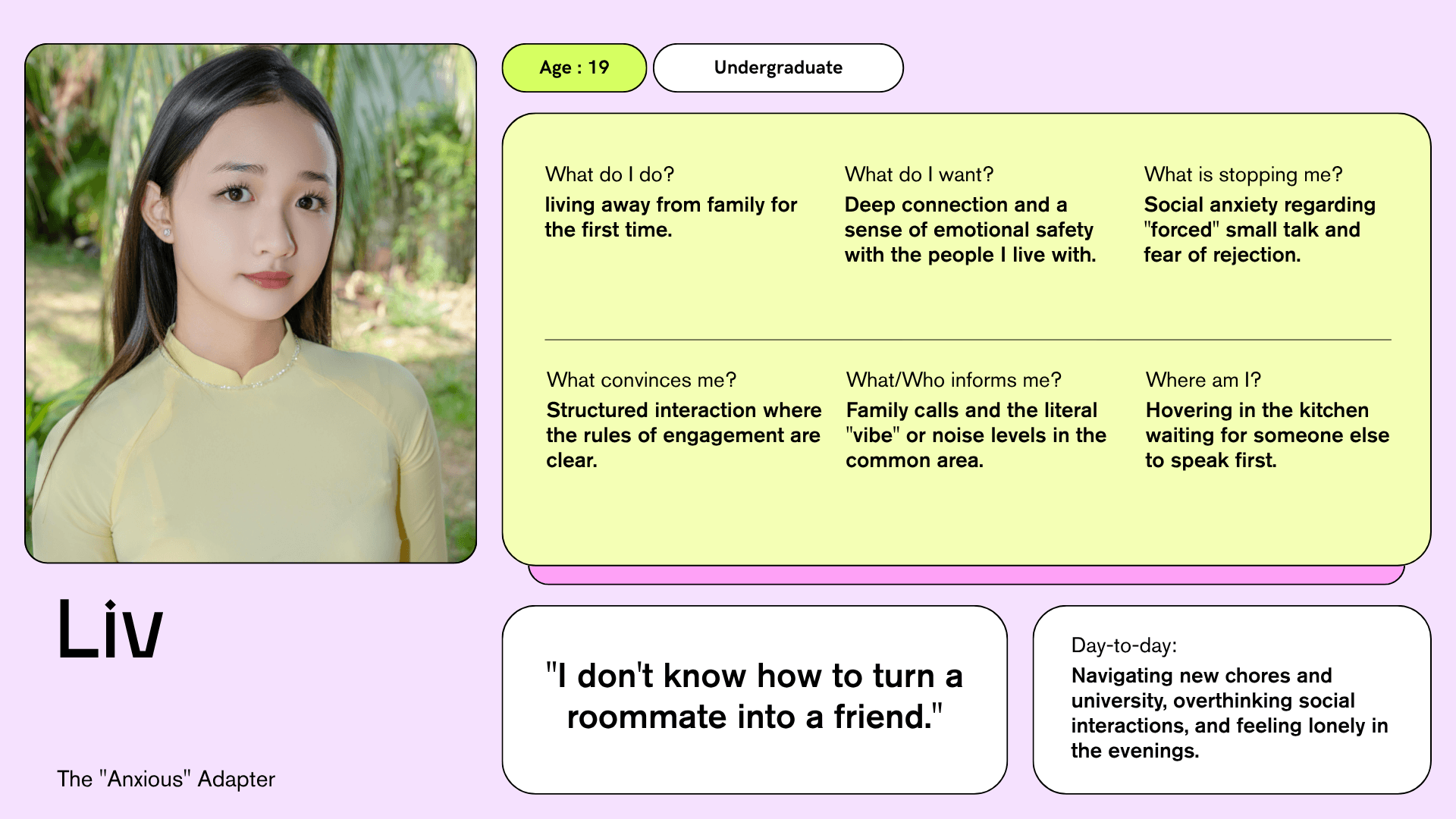
To understand the real problem we collected need statements of affected people and created empathy maps and personas to relate closer to bridge the gap between raw data and a deep, shared understanding of our users frustrations and goals. These tools allowed us to turn ourfindings into tangible design requirements, ensuring that the product we developed directly addressed verified user needs.
In the Define phase, we synthesized our findings to articulate a clear Problem Statement, transforming broad user frustrations into a specific, actionable challenge to guide our design. This helped us as a team to move forward with a unified vision.
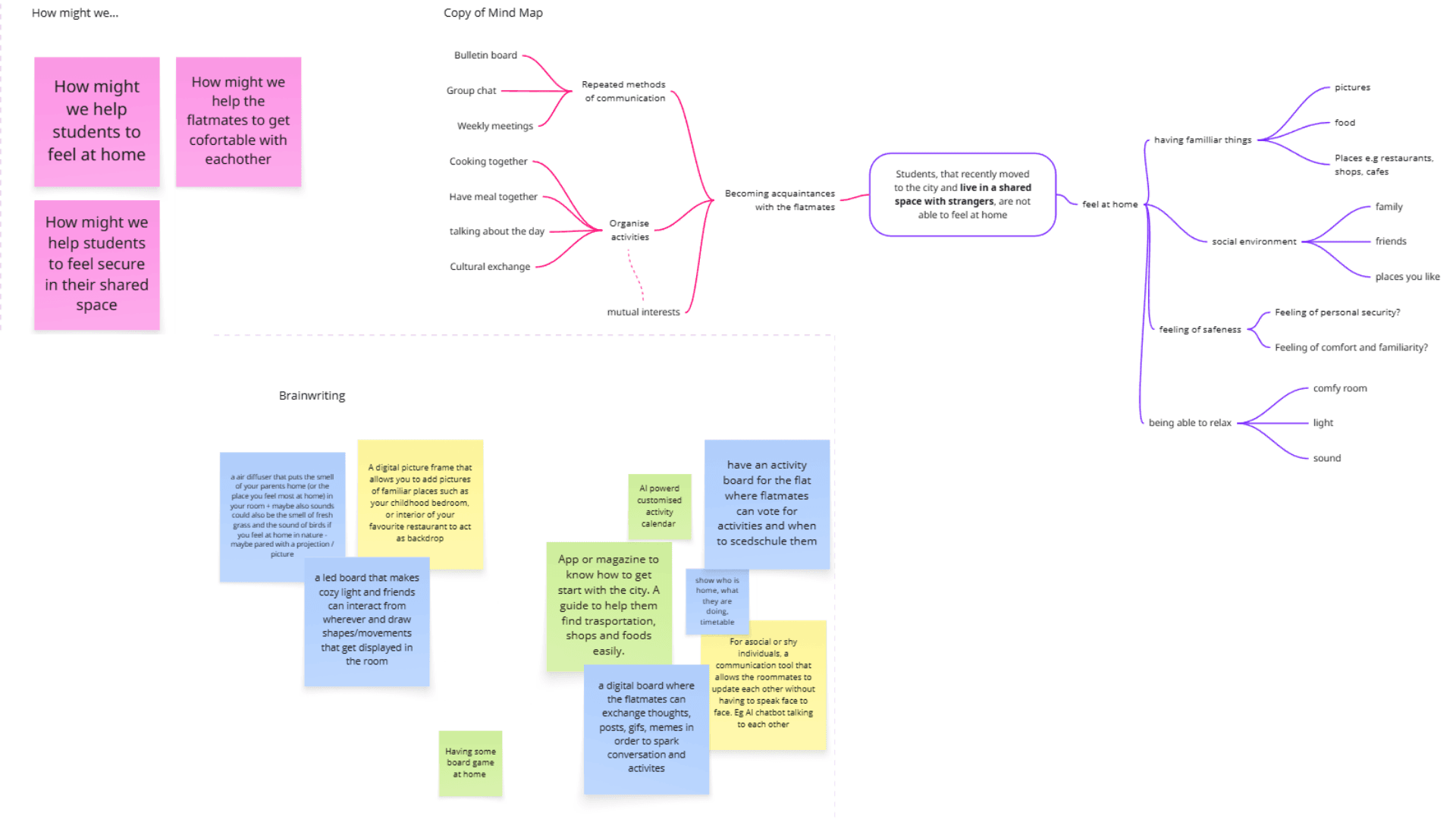
Using How might we statements, copy of mind mao and brainwriting we generated multiple concepts. We voted on the top ideas and narrowed them down to two directions: a community board or fostering interaction between the roommates, and a feel at home artefact for the personal space.
The community board concept won because it adresses the underlaying problem of not being comfortable with the roommates.
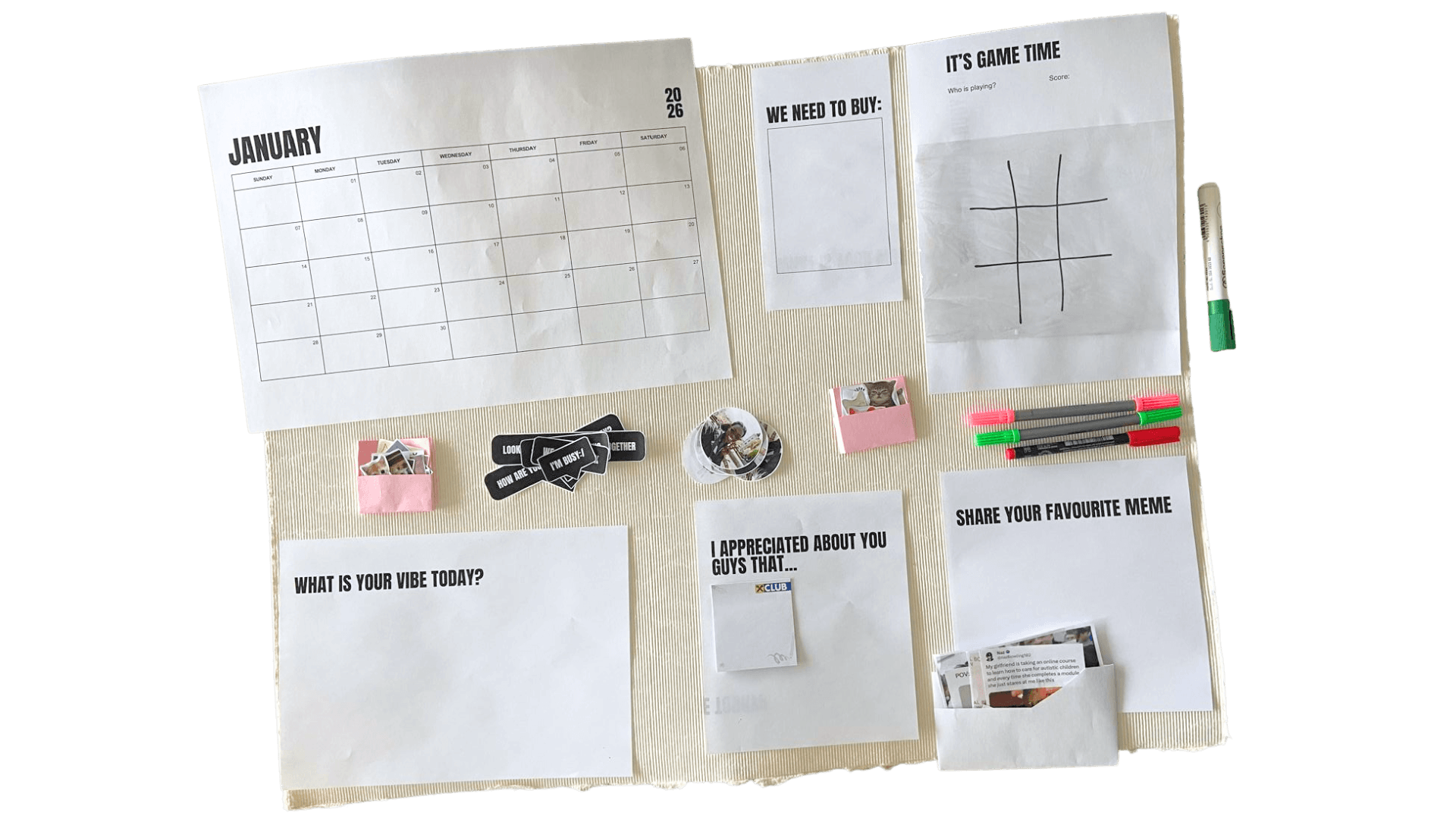
To bring our concept to life, we built a rapid paper prototypethe of the Magic Board — a physical, tactile communication hub designed to lower the barrier for social interaction in shared spaces. The board functions as a modular communication hub featuring shared calendars, handwritten messages, mini-games, and personalized roommate avatars, all designed to facilitate tactile, human interaction. This modular approach allows roommates to rearrange the components based on their specific needs and likings. By intentionally avoiding rigid instructions and digital complexity, we aimed to observe natural user behavior and test how a low-pressure, analog tool could cultivate a sense of belonging during the critical first 90 days of living together.
Key decisions: a shared board with activities in the community space to lowers the barrier to communication without direct confrontationby.
We conducted one rounds of user testing with 5 participants — students who had have been living in shared environments. Sessions were observed and we took notes, and feedback was collected via a debrief conversation.
The board risks becoming a replacement for direct communication rather than a catalyst for it, leading us to realize that true roommate bonding stems from spontaneous, face-to-face moments like laughing and spending time together.
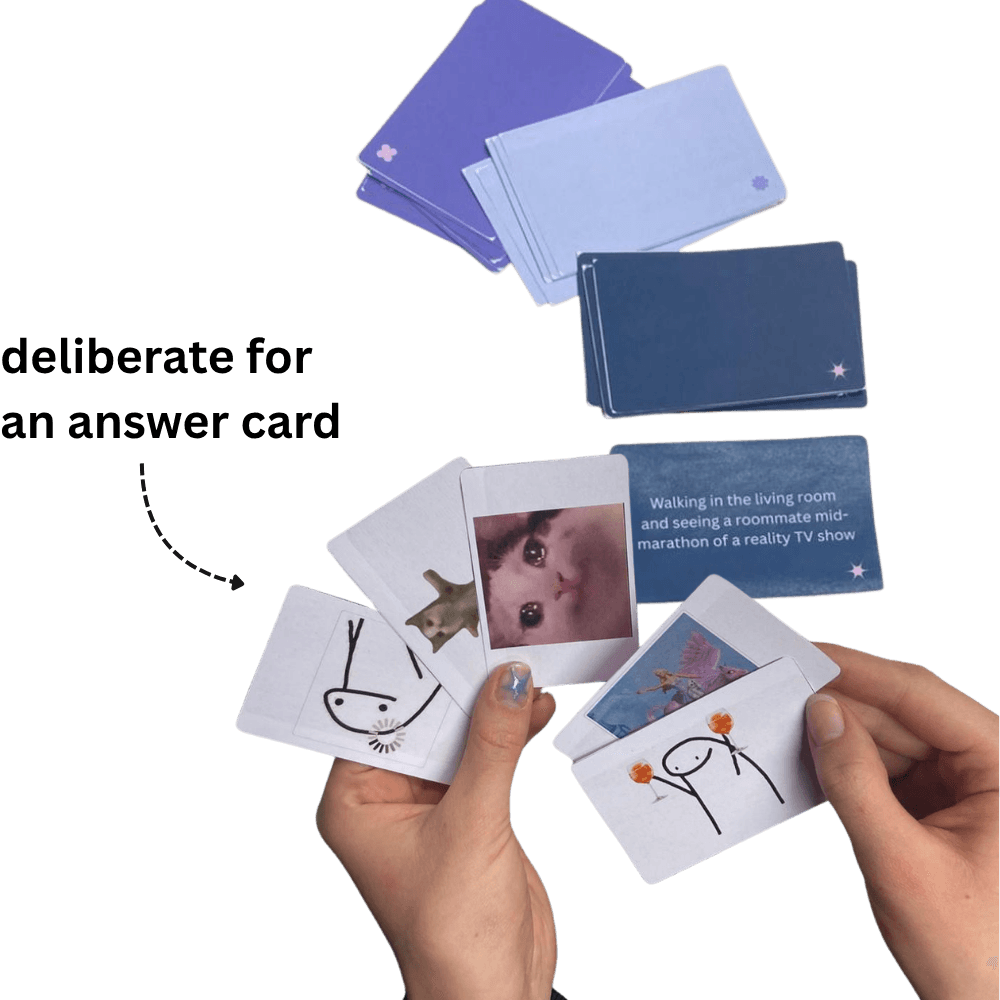
The game and meme sections were clearly the most engaging parts of the board. These elements were described as fun, light, and effective in lowering social barriers.
Participants felt that functional tools like calendars and shopping lists were useful for routine maintenance but not suitable to foster the emotional connection needed to build a community among new roommates.
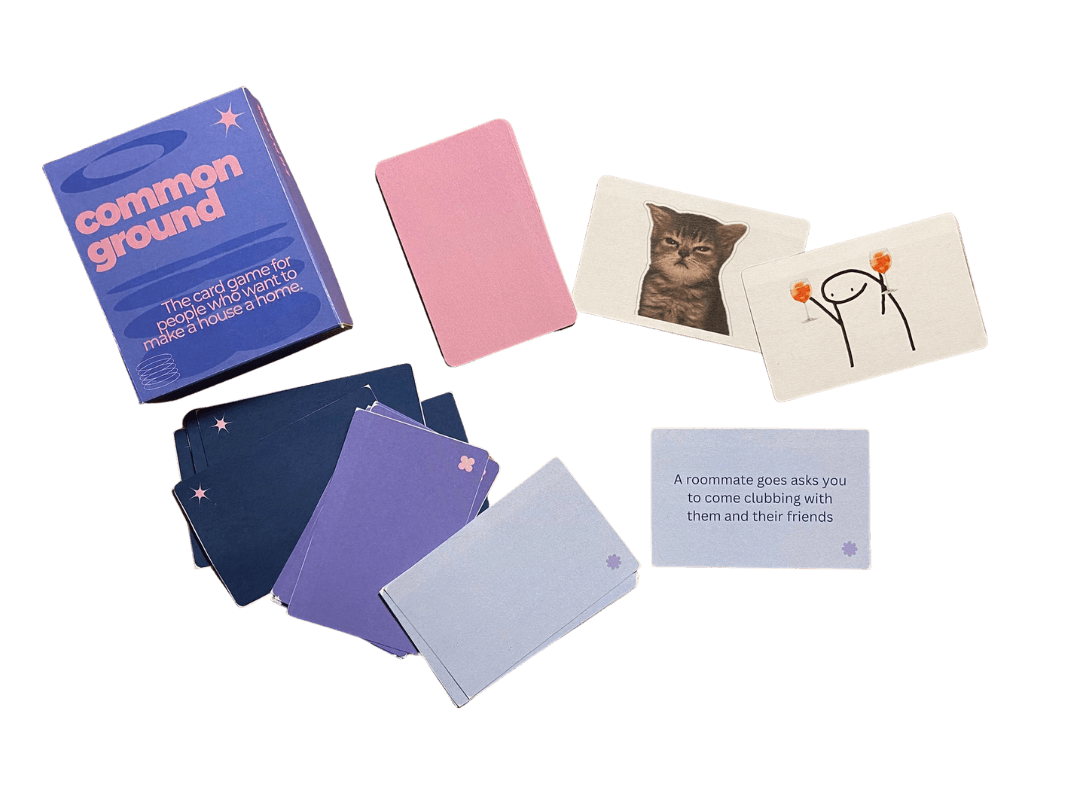
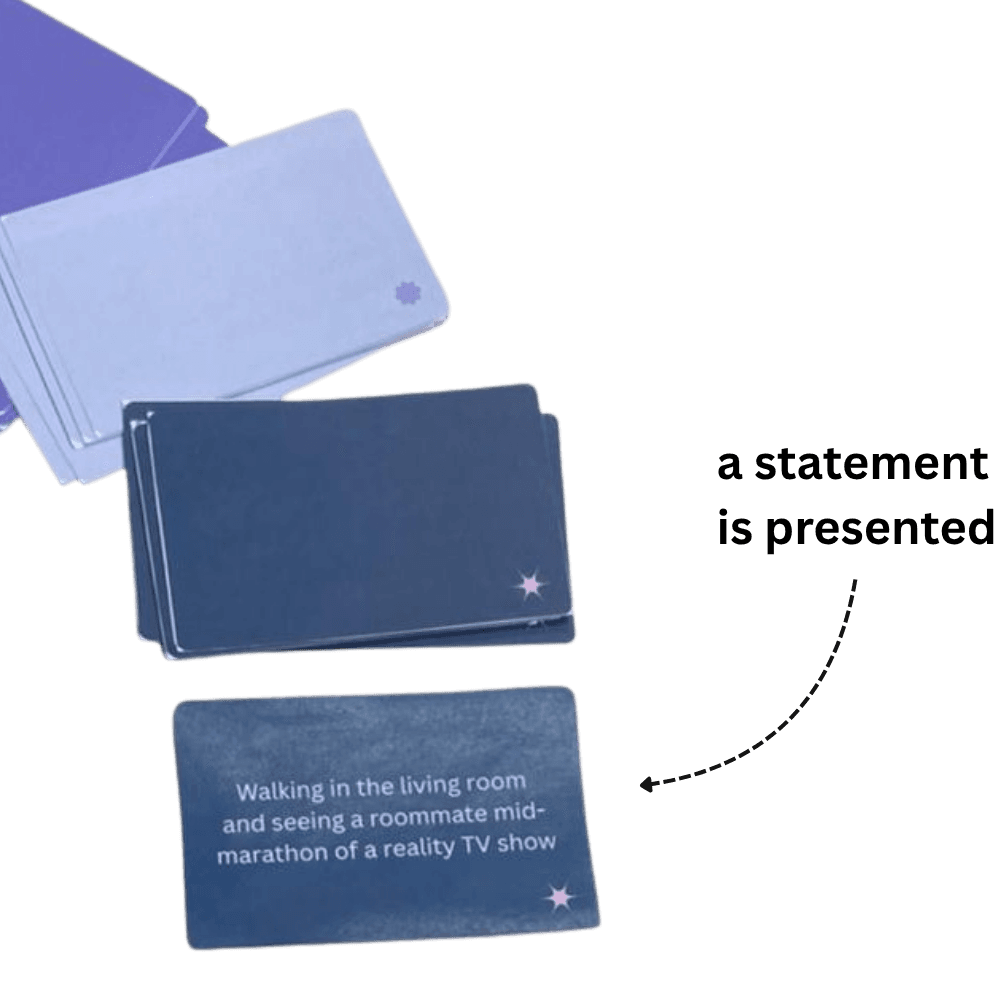
We changed the direction of our prototype to focus on the games and memes part. Therefore we conzeptualized a question based card gane for new roommates to play ro gether. THe a printed version using Canva. Each iteration addressed feedback from informal playtests within the team.
Key decisions: a 3-level card system (introduction → expectations → depth) and memes as visual triggers for spontaneous reactions.